What Swiss patients are not told
Shobhit AroraNov 20263 min read
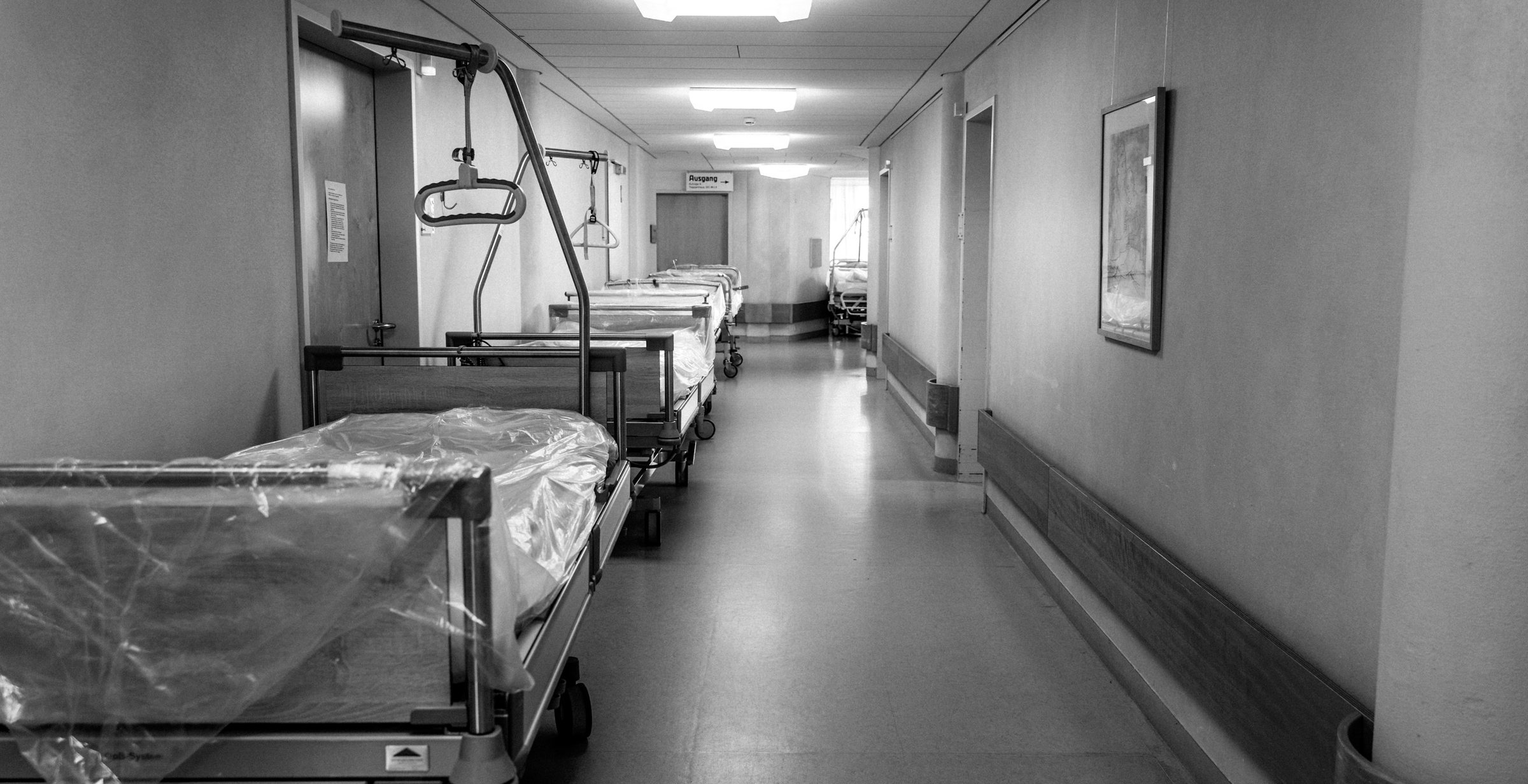
Photo: Ante Samarzija on Unsplash
TL;DR
- In Switzerland’s first national patient-experience survey, nearly nine in ten patients said staff always treated them with respect. A quarter of those sent home with new medicines felt poorly informed about them.
- Most of this year’s audits under the hospital quality contract go to hospitals with weak national results. The next national survey is not due until 2027.
- The fix is small and local: ask every patient leaving hospital, read what they write, and know within weeks whether a change worked.
Swiss hospitals used to ask patients whether they were satisfied. Last autumn ANQ, the body that runs the country’s national hospital measurements, started asking what actually happened instead. Was the reason for a new drug explained? Were its side-effects mentioned? Did anyone say what to watch for at home? The first results, from 186 hospitals and clinics and almost 47,000 patients, were published on 1 September. They are flattering in one respect and awkward in another.
The flattering part is manners. Nearly 90% of patients said doctors and nurses always treated them with respect. On six of the survey’s eight themes, between two-thirds and three-quarters of answers sat in the best category. The awkward part is medicine. Only 53% gave the best rating for how their new medications were handled. About a quarter of those who left with new drugs felt poorly informed about them. On side-effects, 36% gave the lowest marks. Discharge was the second-weakest theme. Patients admitted through the emergency department, and those in geriatric care, reported worse experiences across the board.
The pattern is not an accident. Respect is a habit of individuals. Explaining a new prescription is a process. It falls at the busiest moment of a stay, when the bed is needed and the patient wants to go home. The World Health Organisation reckons that medication discrepancies touch almost every patient who moves from one care setting to another. A patient who does not know why a pill was added, or which symptom to worry about, is the weakest link in what the hospital hands on.
National measurements now carry consequences. Hospitals and insurers have signed a quality contract under Article 58a of the health-insurance law, and its two-year grace period ended in May. Routine audits start this year. Of the 38 planned, 27 go to hospitals chosen because at least two of their national measurements stood out for the wrong reasons. Hospitals that fall short face conditions and, in the end, a public mark of non-compliance on spitalinfo.ch. A fourth field of the contract, patient-centredness, is being introduced this year. At the end of 2025 no measure had yet been recognised for it.
The national survey is a poor tool for fixing anything, however. It runs every two years. This round’s last questionnaires came back in November 2025 and the results appeared almost ten months later. The next round is planned for 2027. On the same timetable, a hospital that changes its discharge routine this winter will learn from ANQ in 2028 whether it worked. The response rate was 28% nationally and fell to 7% in some hospitals. Twenty-two hospitals returned too few questionnaires to be compared with the national average at all. And the results come per hospital, while a discharge routine is run per ward.
Nor can most hospitals afford a grand programme. PwC’s annual study puts the EBITDAR margin of Swiss acute hospitals at 6.8% in 2025. That is an improvement, but well short of the 10% the firm considers sustainable. It judges only one hospital in eight in its sample to be structurally profitable enough.
What fits those constraints is small and local. Ask every patient who leaves, not a sample every other year, the two or three questions on which the hospital scored worst. Was the reason for each new drug explained? Were side-effects mentioned? Ask while the memory is fresh. Read the comments, which name the ward, the drug and the leaflet nobody handed over. Change one thing on one ward and check a month later whether the answers moved. None of this needs a new department. It needs the survey to belong to the people who run the discharge.
Swiss hospitals have shown they can be courteous at scale. The harder test is being clear at the door. The national survey has found the gap. The hospitals that keep asking will be the first to know whether they have closed it.
Sources
- ANQ, patient experience in acute care 2025, executive summary (PDF, in German)
- World Health Organization, Medication Safety in Transitions of Care, 2019
- Quality contract under Article 58a of the health-insurance law (KVG), annual report 2025 (PDF, in German)
- PwC Switzerland, hospital study 2026 (in German)
Shobhit AroraNov 20263 min read
If this is the problem on your desk, we would be glad to show you how it works in practice.
Book a demo