The bill is the conversation
Alejandro ConejeroNov 20263 min read
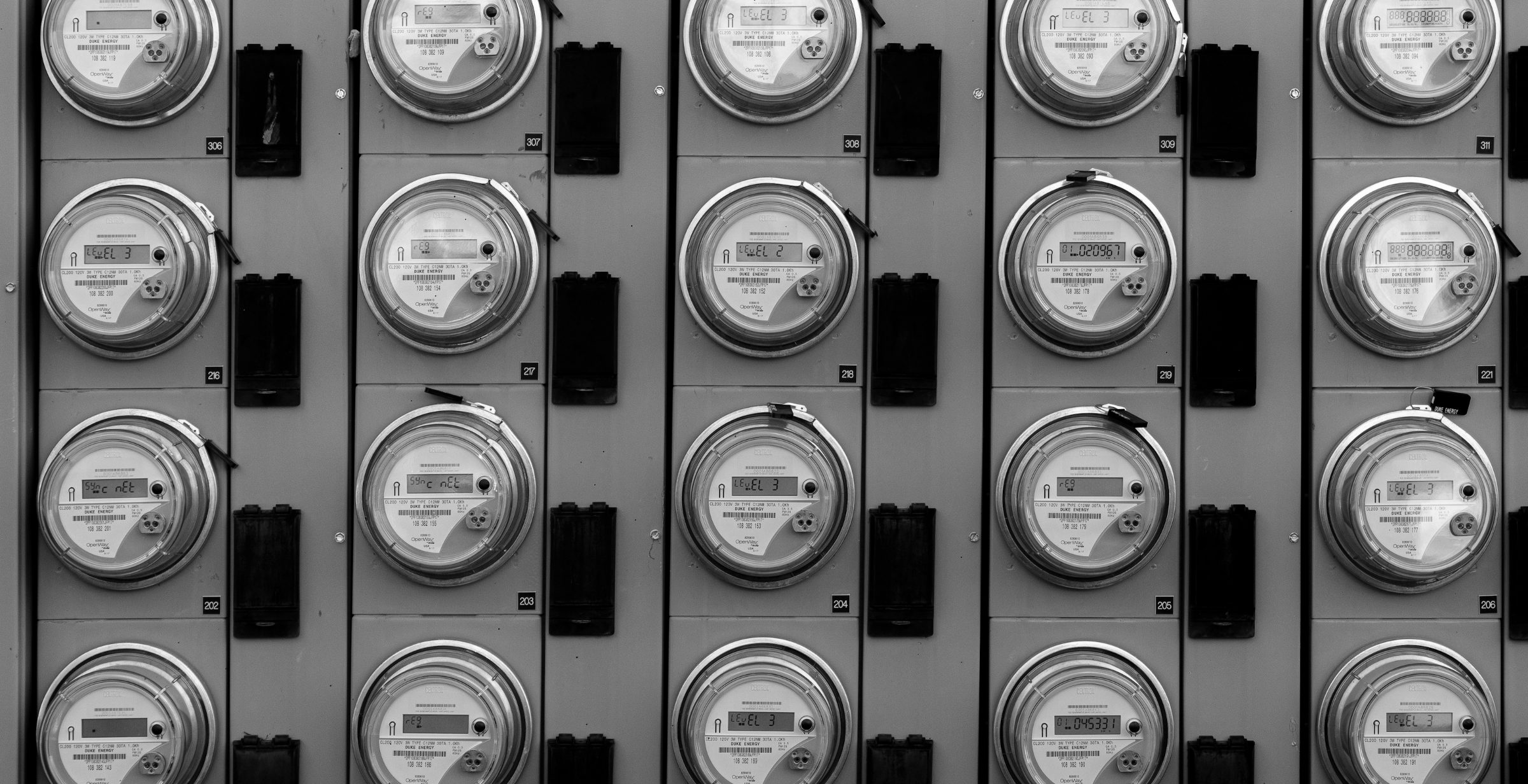
Photo: Jon Moore on Unsplash
TL;DR
- Claims to Protecom, the Dominican office that protects electricity consumers, rose from 36,262 in 2018 to 90,591 in 2025, up 150%. In the first half of 2026, high bills were 85.6% of the cases it received.
- In the same half year Protecom issued 52,254 decisions, and 17,466 went in the customer’s favour. In the other two in three, the customer left with the same bill and, often, the same doubt.
- A bill that is right but unexplained costs a distributor two claim processes and a customer’s trust. Explaining a bill before it lands costs less than handling the claim after.
Carmen opens her electricity bill in Santo Domingo Este. It is almost twice last month’s. Nothing has changed at home, as far as she knows. She goes to the distributor’s office, waits, files a claim and gets a written answer within ten working days: the reading is correct. She does not believe it, so she takes it to Protecom. The answer is the same. She pays, and she tells everyone on her street. Carmen is a composite, drawn from customers like her.
She has a lot of company. Claims to Protecom rose from 36,262 in 2018 to 90,591 in 2025, an increase of 150%. Protecom puts billing causes at 90% to 95% of the claims it receives. In the first half of 2026, claims about high bills alone were 85.6% of the cases Protecom received.
What happens to those claims is the less told part of the story. In the first half of 2026, Protecom issued 52,254 decisions, and 17,466 went in the customer’s favour. Between 2022 and 2025 it ordered RD$109 million credited to customers, and another RD$21.7 million in the first half of 2026. Those are bills that were wrong, and correcting them is the first job.
But in two of every three decisions, the claim did not stand. Protecom itself warns that a high bill is not, on its own, evidence of an error, and that claims about seasonal consumption are among the least likely to succeed. Many of those customers were billed correctly. They still went to an office, filed a claim, waited for an answer and, when it came, did not believe it.
That is the distributor’s real problem. A bill that is right but not understood ends much like one that is wrong: a customer who queued twice, a claim handled twice, first by the distributor and then by Protecom, and a customer who still believes they were overcharged. The meter was right. The conversation failed.
For most households, the bill is the only regular message from the distributor. It arrives once a month, gives one number and asks for money. When the number jumps, the customer needs to know why. If the bill does not say, the customer has to guess, and the guess is usually that someone made a mistake.
Protecom has built part of the answer itself. Its online calculator lets customers enter their distributor, tariff and the kilowatt hours on their bill, see roughly what they should pay and how much the subsidy covers, and compare two months. It is a regulator’s tool for explaining a bill after it has arrived.
A distributor can do it before. It knows, before the bill is printed, when a reading is far above the customer’s own average. It knows whether the reading was actual or estimated, and whether the tariff changed. Each of those is a sentence it could put on the bill or send a week earlier: your consumption this month was 40% above your average; this reading is estimated; here is how it compares with the same month last year. A message like that costs very little. A claim costs an office visit, a written answer within ten working days, often a second process at Protecom, and a customer’s trust.
The claims are worth reading too, not only resolving. Where do they cluster: which areas, which months, which tariffs, which kind of reading? A rise in high-bill claims in one area after a round of meter readings says something about the round. Claims that follow estimated readings say something about access to meters. Each claim is a customer explaining, in their own words, where the bill stopped making sense.
Claims to Protecom have more than doubled since 2018. Some of that is bills that were wrong. Much of the rest is bills nobody explained. Carmen would have paid hers without a visit, a claim or a story for her neighbours if it had told her why it was high. In electricity, the bill is the conversation, and most of it can happen before the bill arrives.
Sources
- Revista Mercado, Protecom’s figures on electricity bill claims, 18 September 2026 (in Spanish)
- Revista Mercado, Protecom’s bill calculator and its decisions in the first half of 2026, 1 October 2026 (in Spanish)
- Revista Mercado, high bill claims and the distributor’s ten working days, 2 September 2026 (in Spanish)
Alejandro ConejeroNov 20263 min read
If this is the problem on your desk, we would be glad to show you how it works in practice.
Book a demo